
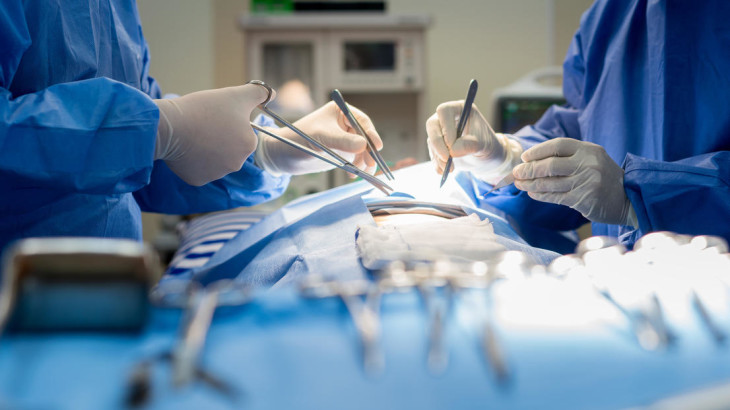
Studying medicine in Iran can be a rewarding and challenging experience. Iran has a well-established medical education system with several reputable medical universities offering programs in medicine and related fields. Here are some key points about studying medicine in Iran:
- Admission Process: To study medicine in Iran, you need to pass the national university entrance exam, known as the Konkoor. The exam assesses your knowledge in subjects like biology, chemistry, physics, and mathematics. High scores are usually required for admission to prestigious medical universities.
- Duration of Study: The medical program in Iran typically takes six years to complete. The first three years focus on pre-clinical coursework, including basic sciences and theoretical medical subjects. The remaining three years involve clinical rotations and practical training in hospitals and healthcare settings.
- Curriculum: The medical curriculum in Iran emphasizes a combination of theoretical knowledge and practical skills. Students learn about various medical disciplines such as anatomy, physiology, pathology, pharmacology, internal medicine, surgery, pediatrics, and more. The curriculum is designed to provide a comprehensive understanding of medical sciences and clinical practice.
- Language of Instruction: Most medical universities in Iran teach medicine in Persian (Farsi), the official language of the country. Therefore, proficiency in Persian is essential for international students planning to study medicine in Iran. Some universities may offer separate programs or courses taught in English, but they are relatively limited.
- Clinical Training: Clinical training is a crucial part of medical education in Iran. During the clinical years, students have the opportunity to gain hands-on experience by working with patients under the supervision of experienced physicians. This practical training takes place in hospitals and healthcare centers affiliated with the universities.
- Research Opportunities: Iranian medical universities also provide research opportunities for students interested in pursuing scientific research alongside their medical studies. Engaging in research projects can enhance knowledge, develop critical thinking skills, and contribute to the advancement of medical science.
- Licensing and Residency: After completing the medical program, graduates are required to pass the national licensing examination to obtain their medical license. Subsequently, they can apply for a residency program to specialize in specific medical fields. Residency programs in Iran typically last between three to seven years, depending on the chosen specialty.
It is important to note that the specific details and requirements for studying medicine in Iran may vary between universities. It is advisable to research and contact the medical universities directly to obtain accurate and up-to-date information regarding their admission criteria, curriculum, language requirements, and other relevant details.
You can also read about studying prestigious universe in iran on this site …
Can you provide a list of prestigious medical universities in Iran?
Certainly! Here are some of the prestigious medical universities in Iran:
- Tehran University of Medical Sciences (TUMS)
- Shahid Beheshti University of Medical Sciences
- Mashhad University of Medical Sciences
- Isfahan University of Medical Sciences
- Tabriz University of Medical Sciences
- Shiraz University of Medical Sciences
- Ahvaz Jundishapur University of Medical Sciences
- Iran University of Medical Sciences
- Kerman University of Medical Sciences
- Guilan University of Medical Sciences
These universities have a long-standing reputation for their medical programs, research facilities, and contributions to the field of medicine in Iran. However, it’s important to note that prestige can be subjective, and the choice of a medical university should also consider factors such as specific fields of interest, faculty expertise, available resources, and personal preferences. It’s advisable to research each university individually and consider their strengths and areas of specialization to make an informed decision.
You can also read about studying in iran on this site …

What are some notable research facilities at Shahid Beheshti University of Medical Sciences?
Shahid Beheshti University of Medical Sciences (SBMU) in Iran is known for its strong focus on medical research and innovation. Here are some notable research facilities associated with SBMU:
- Research Center for Immunodeficiencies: This center focuses on studying primary immunodeficiencies and other related disorders. It conducts research to improve the understanding of immunodeficiency diseases and develop new diagnostic and therapeutic approaches.
- Cancer Institute: The Cancer Institute at SBMU is dedicated to cancer research, prevention, and treatment. It conducts studies on various aspects of cancer, including epidemiology, molecular biology, genetics, and innovative treatment modalities.
- Cellular and Molecular Research Center: This research center at SBMU focuses on cellular and molecular studies in different areas of medicine. It conducts research on topics such as stem cells, gene therapy, molecular genetics, and regenerative medicine.
- Neuroscience Research Center: This center specializes in neuroscience research, including the study of brain disorders, neurodegenerative diseases, neuroimaging, and neurorehabilitation. It aims to advance knowledge in the field of neuroscience and develop new treatment strategies.
- Endocrinology and Metabolism Research Institute: The institute conducts research on endocrine and metabolic disorders, including diabetes, thyroid disorders, and obesity. It focuses on understanding the underlying mechanisms of these conditions and developing effective treatments.
- Reproductive Biotechnology Research Center: This research center focuses on reproductive health and biotechnology. It conducts studies on assisted reproductive technologies, reproductive genetics, infertility, and reproductive health-related issues.
These are just a few examples of notable research facilities at Shahid Beheshti University of Medical Sciences. The university also has several other research centers and departments dedicated to various fields of medical research, including cardiovascular diseases, infectious diseases, medical informatics, and more.
[…] can also read an article about studying medicine in Iran on this […]
[…] on studying medicine in iran to read about this […]
[…] can also read an article about studying medicine in Iran on this […]