
The University of Kashan is one of the reputable universities in Iran that offers a medical degree program on a full-time basis. This field is one of the most popular and challenging academic programs, requiring a great deal of effort and perseverance.
During your medical studies, you will receive a comprehensive education covering various subjects such as anatomy, physiology, pathology, pharmacology, and clinical rotations in different specialties. The curriculum is designed to provide you with the knowledge and practical skills necessary to become a competent and compassionate physician.
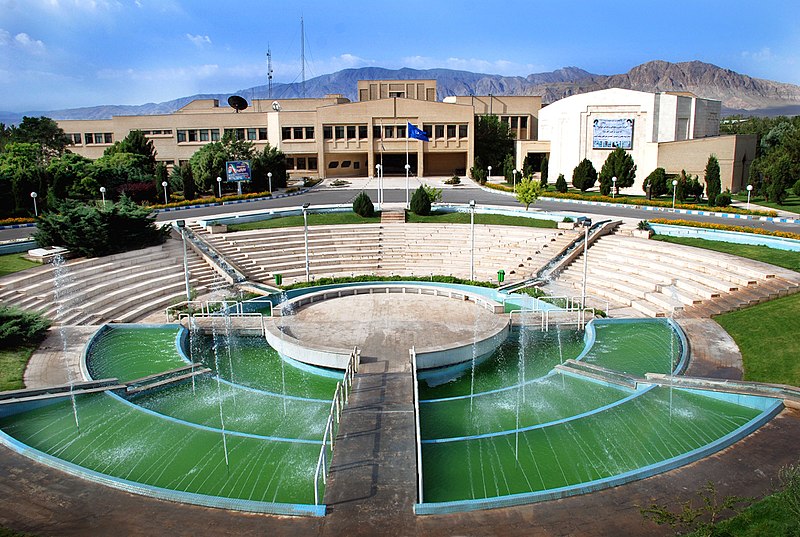
The University of Kashan has a well-equipped medical school with modern facilities, including laboratories, simulation centers, and access to clinical training sites. You will have the opportunity to learn from experienced faculty members who are dedicated to fostering your intellectual growth and professional development.
Studying medicine is a demanding but rewarding path. It requires a strong commitment to learning, a passion for helping others, and the ability to work under pressure. If you are up for the challenge, the University of Kashan can provide you with an excellent foundation to pursue your dream of becoming a medical professional.
Please let me know if you have any other questions about the medical program or the University of Kashan. I’m happy to provide more details to assist you in your educational journey.
If you are interested in reading these materials, you can read an article about studying in Iran
What courses are offered in Kashan University for the field of medicine?
At the University of Kashan, medical students take the following courses:
-
Basic Courses:
– Anatomy
– Physiology
– Biochemistry
– Histology
– Embryology
– Genetics
– Microbiology
– Immunology
-
Pre-Clinical Courses:
– Pathology
– Pharmacology
– Pathophysiology
– Medical Imaging
– Community Medicine
-
Clinical Courses:
– Internal Medicine
– Surgery
– Pediatrics
– Obstetrics and Gynecology
– Psychiatry
– Emergency Medicine
– Family Medicine
– Electives in various specialties
The curriculum is designed to provide a solid foundation in the basic medical sciences, followed by extensive clinical training in various healthcare settings. This allows students to develop the necessary knowledge, skills, and clinical judgment required to become competent and well-rounded physicians.
Throughout the program, students also engage in research projects, participate in clinical case discussions, and receive training in medical ethics, communication, and professionalism.
The goal of the medical program at the University of Kashan is to produce graduates who are equipped to provide high-quality, patient-centered care and contribute to the advancement of the medical field.
Please let me know if you have any other questions about the specific course offerings or the structure of the medical program at the University of Kashan.
You can also read an article about studying medicine in Iran on this site.
Do students do practical exercises in therapeutic settings during the program?
Certainly. At the University of Kashan’s medical program, students undergo extensive clinical training and practical experience throughout their studies. This is a crucial aspect of the curriculum to ensure they develop the necessary skills and competencies to become successful physicians.
Here are some key details about the clinical training components:
-
Clinical Rotations:
– Students complete rotations in various medical specialties, such as internal medicine, surgery, pediatrics, obstetrics and gynecology, and more.
– These rotations take place in affiliated teaching hospitals, clinics, and other healthcare facilities, providing students with direct patient interaction and exposure to real-world clinical settings.
– During the rotations, students observe experienced physicians, participate in patient care activities, and gradually take on more hands-on responsibilities under close supervision.
-
Skills Labs and Simulation Training:
– The university has well-equipped skills labs and simulation centers where students can practice clinical skills, such as taking medical histories, performing physical examinations, interpreting diagnostic tests, and practicing medical procedures.
– These simulation-based experiences allow students to develop and refine their skills in a safe, controlled environment before applying them with real patients.
-
Community-Based Experiences:
– Students also engage in community-based learning, where they work with public health organizations, visit underserved communities, and participate in health promotion and disease prevention initiatives.
– This exposure helps students understand the social determinants of health and how to provide care that addresses the unique needs of diverse patient populations.
-
Research and Scholarly Activities:
– Throughout their studies, students have opportunities to participate in research projects, clinical case studies, and scholarly activities under the guidance of faculty mentors.
– These experiences help students develop critical thinking, problem-solving, and academic writing skills, which are essential for their future roles as physicians and researchers.
The clinical training components are carefully integrated throughout the medical curriculum, allowing students to gradually build their competencies and transition from the classroom to the clinical setting with confidence and proficiency.
No comment