
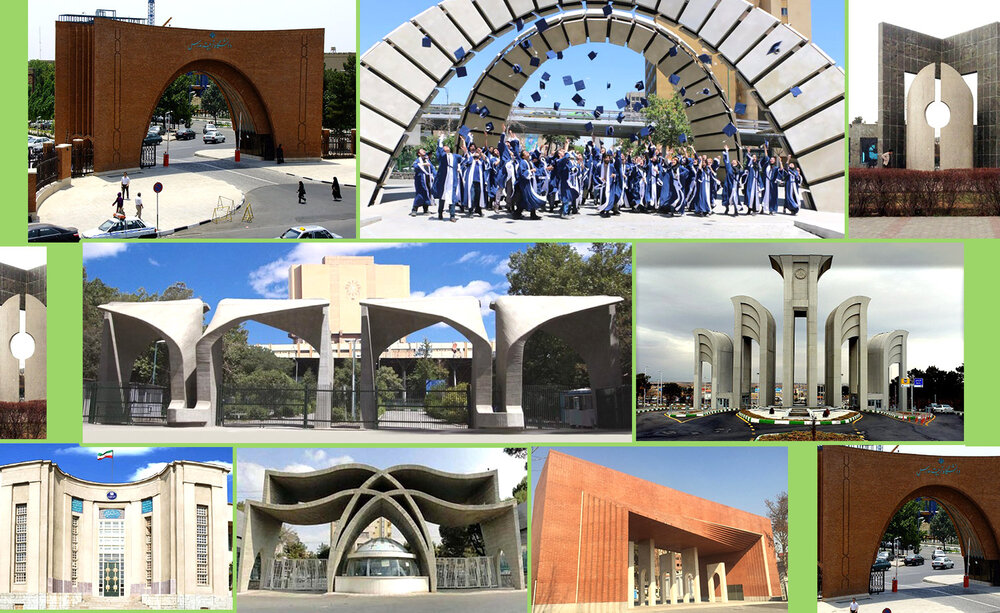
Studying in Iran offers a wide range of educational opportunities for both domestic and international students. Here are some key points about studying in Iran:
- Higher Education System: Iran has a well-developed higher education system with numerous universities, both public and private, offering a variety of academic programs and disciplines. The system is overseen by the Ministry of Science, Research, and Technology.
- Universities and Institutes: Iran is home to several prestigious universities and research institutes known for their academic excellence and scientific contributions. The University of Tehran, Sharif University of Technology, and Amirkabir University of Technology are among the top-ranked institutions in the country.
- Programs and Degrees: Iranian universities offer undergraduate, graduate, and doctoral programs in various fields such as engineering, medicine, humanities, social sciences, natural sciences, and more. Iranian degrees are generally recognized internationally.
- Language of Instruction: The primary language of instruction in Iranian universities is Persian (Farsi). However, some universities offer programs taught in English, particularly at the graduate level. International students are often required to demonstrate proficiency in either Persian or English, depending on the language of instruction.
- Admission Requirements: Each university sets its own admission requirements, which typically include submitting an application, academic transcripts, recommendation letters, and sometimes entrance exams. International students may also need to provide proof of language proficiency and obtain a student visa.
- Scholarships and Financial Aid: Iranian universities offer scholarships and financial aid opportunities for both domestic and international students. The availability and eligibility criteria for scholarships vary among institutions. Additionally, international students may explore scholarships from their home countries or external funding sources.
- Campus Life and Culture: Iranian universities provide a vibrant campus life with various student organizations, clubs, and extracurricular activities. Students can engage in cultural events, sports, and social activities, creating a rich and diverse environment.
- Cost of Living: The cost of living in Iran is relatively affordable compared to many other countries. However, it can vary depending on the city and lifestyle. Major expenses include accommodation, transportation, food, and healthcare.
- Safety and Security: Iran is generally considered a safe country for studying. Like any other destination, it is advisable to follow local laws and customs, stay informed about any travel advisories, and take necessary precautions to ensure personal safety.
- Cultural Experience: Studying in Iran provides an opportunity to immerse oneself in the rich Persian culture, history, and traditions. Students can explore historical landmarks, visit museums, experience Iranian cuisine, and engage with welcoming locals.
It’s important to note that the political and international situation can impact the experiences of international students in any country, so it’s advisable to stay updated on any relevant news and consult with the respective universities or education authorities for the most accurate and up-to-date information.
You can also read about studying prestigious universe in iran on this site …

Are there any specific entrance exams that international students need to take for admission?
Yes, some Iranian universities require international students to take entrance exams as part of the admission process. The specific exams and their requirements may vary depending on the university and the program of study. Here are a few examples:
- Konkoor (also known as the Iranian University Entrance Exam): Konkoor is a national entrance exam taken by Iranian students for admission to undergraduate programs. International students who wish to pursue undergraduate studies in Iran may be required to take this exam or a modified version of it, depending on the university. The exam tests students’ knowledge in subjects such as mathematics, physics, chemistry, biology, and Persian literature.
- Graduate Entrance Exams: For graduate programs, some universities may require international students to take specific entrance exams related to their chosen field of study. These exams evaluate the applicants’ knowledge and aptitude in the respective discipline.
- English Language Proficiency Exams: International students applying for programs taught in English may need to provide proof of their English language proficiency. Commonly accepted English language tests include the TOEFL (Test of English as a Foreign Language) and IELTS (International English Language Testing System).
It’s important to note that not all universities require entrance exams for international students. Some institutions may have alternative admission criteria, such as evaluating academic transcripts, recommendation letters, and conducting interviews. It is advisable to check the admission requirements of the specific university and program you are interested in to determine if any entrance exams are necessary.
You can also read about studeid at allameh tabatabai university in iran on this site …
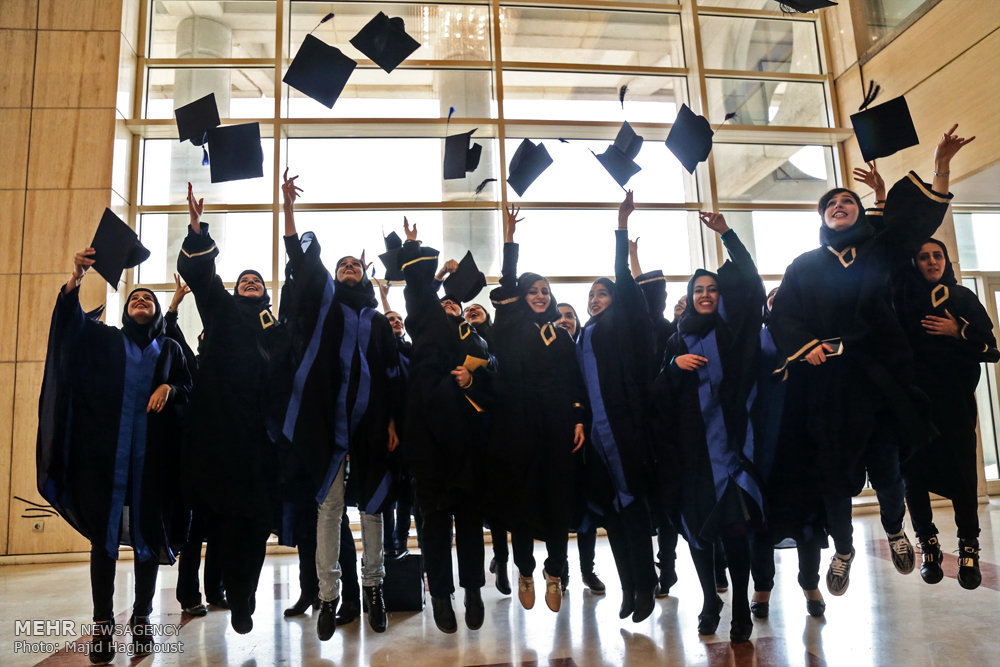
What is the maximum score required for the TOEFL exam for admission to Iranian universities?
The maximum score required for the TOEFL exam for admission to Iranian universities can vary depending on the university and the program of study. However, it is important to note that the TOEFL scores required by Iranian universities are usually lower compared to universities in some other countries.
In general, many universities in Iran accept a minimum TOEFL score of around 60 to 80 for undergraduate programs and 80 to 100 for graduate programs. However, it is essential to check the specific requirements of the university and the program you are interested in, as they may have their own minimum score requirements.
It’s also worth mentioning that some universities may accept alternative English language proficiency tests such as IELTS, and they may have their own score requirements for IELTS as well.
To obtain accurate and up-to-date information regarding the TOEFL score requirements for admission to specific Iranian universities, it is recommended to visit the official websites of the universities or contact their admissions offices directly. They will provide you with the most accurate and detailed information regarding their specific requirements.
[…] If you are interested in reading these materials, you can read an article about studying in Iran […]
[…] If you are interested in reading these materials, you can read an article about studying in Iran […]
[…] can also read about studying in iran on this site […]